When it comes to creating a bathroom that truly feels like a sanctuary, few design elements have as much immediate impact as freestanding tubs. Whether you’re planning a full bathroom renovation, or are simply looking to elevate your space with a luxurious feature, freestanding tubs offer both visual beauty and unmatched comfort.
At H2O Bathroom Design Co, we understand that your bathroom should be a place of relaxation, style, and personal expression. That’s why we’re dedicating this complete guide to everything you need to know about freestanding tubs: from design tips to material choices, installation considerations, and styling ideas.
Why choose a freestanding bath?
In recent years, freestanding baths have surged in popularity, and with good reason. Unlike built-in tubs that are boxed in on three sides, freestanding tubs stand alone as sculptural elements within the room. This design freedom allows them to become focal points that elevate a bathroom’s overall aesthetic.
Here are just a few reasons why homeowners are choosing freestanding tubs:
Timeless elegance
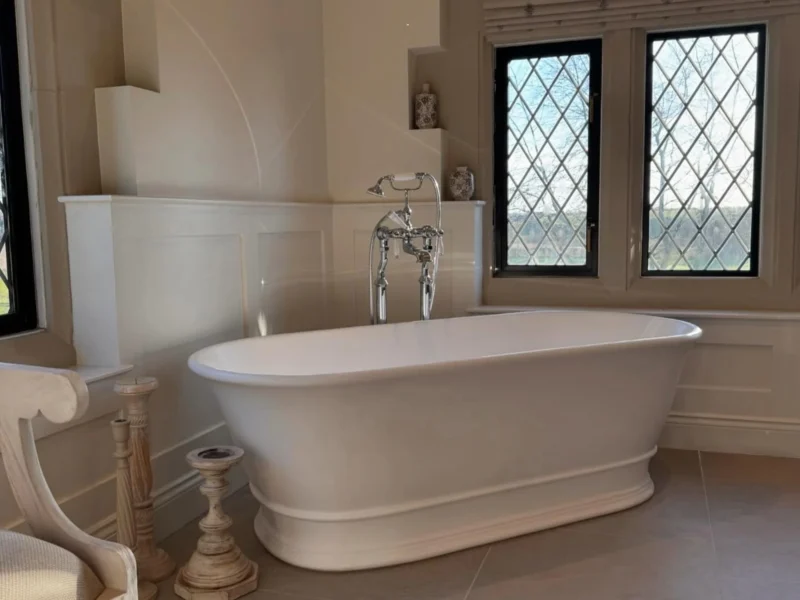
One of the most compelling reasons people choose freestanding tubs is the effortless elegance they bring to a bathroom. Their shape, presence, and position create an immediate sense of luxury – the kind you associate with boutique hotels, spa retreats, and high-end homes.
Freestanding tubs have the remarkable ability to transcend style trends. Whether you prefer traditional spaces with ornate details, sleek and ultramodern interiors, or something in between, there is a tub to suit your taste. Their sculptural beauty makes them both functional and artistic, offering you an opportunity to add a centrepiece that elevates the entire room.
Smooth, modern tubs in glossy white acrylic create a clean, minimal look that appeals to contemporary tastes, while slipper tubs evoke timeless comfort with their gentle, raised back. Classic roll-top or clawfoot designs have a nostalgic charm that never goes out of style. Whatever your décor, a freestanding bath grounds the room in elegance, becoming a design element that feels both intentional and indulgent.
Versatile placement
Freestanding tubs offer freedom that built-in tubs simply can’t. Because they aren’t confined to alcoves or supported by surrounding surfaces, they can be placed in various locations within the bathroom, creating movement and flexibility in your layout.
You might position one in the centre of the room for maximum impact, allowing it to become a sculptural statement piece. Or you might prefer to anchor it near a feature window, allowing you to soak while taking in natural light or scenic views. In larger bathrooms, freestanding tubs can even be incorporated into open-plan wet zones, contributing to a more spa-like layout.
This flexibility also allows you to get creative with symmetry and balance. A freestanding tub can help break up a long room, complement a walk-in shower area, or introduce curvature into a space dominated by straight lines. It gives homeowners and designers far more control in shaping the bathroom’s atmosphere and flow.
Comfort and relaxation
Beyond aesthetics, freestanding baths deliver an incredible bathing experience. Many designs are deeper than standard built-in tubs, allowing for full-body immersion, which is perfect for unwinding after a busy day or enjoying a warm, therapeutic soak.
Their ergonomic design considerations are often more refined as well. Gently sloping walls, raised backrests, and carefully sculpted silhouettes enhance support and comfort. Whether you prefer lying back in a slipper tub, stretching out in a double-ended model, or sinking into a wide soaking tub, you’ll find these baths offer an experience that feels indulgent and restorative.
For those who value wellness and daily rituals, this kind of comfort can make a real difference in your quality of life. Your bathroom becomes a haven where you can properly de-stress and reconnect with yourself.
Value and appeal
A freestanding tub represents a substantial investment in your home’s appeal. Bathrooms are easily one of the most influential spaces when it comes to property value, and a stunning freestanding bath signals quality, luxury, and thoughtful design.
Prospective buyers often associate freestanding tubs with high-end renovations and bespoke builds. Even if you have no immediate plans to sell, adding a freestanding tub can elevate your home’s desirability and perceived value. It’s a design choice that offers everyday enjoyment and long-term reward.
Whether your goal is to improve your home’s functionality for your family or to increase value for future resale, freestanding baths deliver both style and substance.
Popular freestanding bath styles
Choosing the right freestanding bath is an exciting part of bathroom design, but with so many options, it can also feel overwhelming. Understanding the defining features of each style can help you narrow your choices and find the perfect fit for your space. In this section, we’ll explore the most popular freestanding tub styles and their unique benefits.
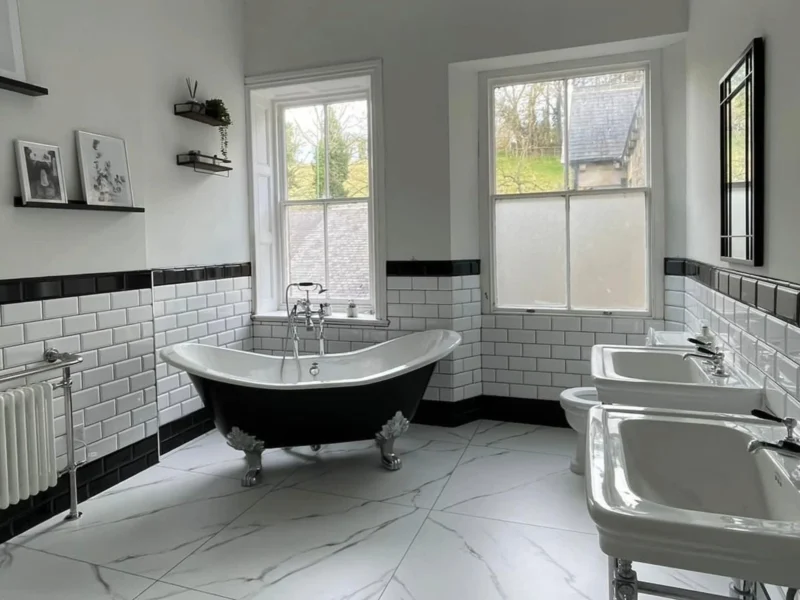
Classic clawfoot tubs
Clawfoot tubs are synonymous with vintage charm and traditional elegance. Recognisable by their ornately designed feet, often finished in polished chrome, brushed brass, or matte black, these tubs bring character and a sense of history to a bathroom.
The raised design not only creates visual interest but also helps the room feel airier by allowing light to flow beneath the tub. This makes clawfoot tubs ideal for both heritage-style homes and modern bathrooms that incorporate eclectic touches.
Available in a variety of colours and finishes, clawfoot tubs can be subtle or dramatic depending on your style. Their timeless look makes them perfect for those seeking a bathroom design that feels classic, romantic, or steeped in tradition.
Slipper tubs
Slipper tubs are distinguished by their high, sloping back, which offers ergonomic support for comfortable lounging. Some models feature two raised ends (double-slipper), while others have one end higher than the other.
Their graceful silhouette makes slipper tubs exceptionally elegant. They are particularly well-suited to people who enjoy long, indulgent baths, as the raised backrest supports the neck and shoulders.
Slipper tubs come in various materials and shapes, from smooth acrylic designs to more luxurious cast iron models, allowing you to tailor the look and comfort to your personal preferences.
Double-ended tubs
Double-ended freestanding tubs have symmetrical, gently sloping ends, making them as functional as they are beautiful. With the tap and waste positioned in the middle, both ends are available for reclining. This thoughtful design makes double-ended tubs ideal for couples or for anyone who likes plenty of lounging space.
They work especially well as centrepiece tubs because their shape looks balanced from all angles. Whether you choose a minimalist form or a more decorative style, double-ended tubs contribute to a clean, harmonious look.
Modern minimalist tubs
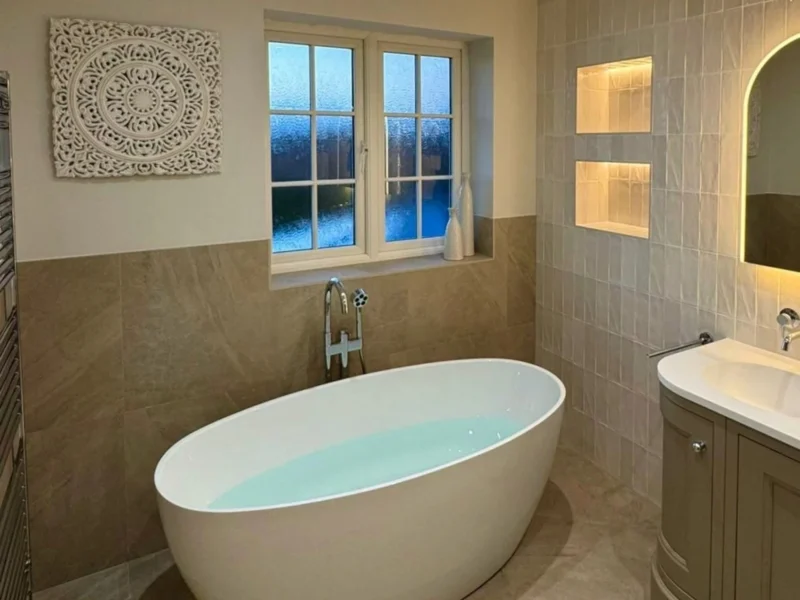
For those who prefer sleek, contemporary interiors, modern minimalist tubs offer an understated yet luxurious look. These tubs typically feature smooth edges, gentle curves, and seamless surfaces. Their simplicity allows them to blend effortlessly into modern spaces where clutter-free design is a priority.
They pair particularly well with floor-mounted taps, wall niches, and clean, linear tile arrangements. If your design style is contemporary, urban, or Scandinavian-inspired, a minimalist tub will feel right at home.
Statement sculptural tubs
If you’re aiming to create a truly unforgettable bathroom, a sculptural freestanding bath might be the perfect choice. These designs embrace bold curves, unique lines, and artistic shapes, transforming the tub into a piece of functional art.
Sculptural tubs work well in large bathrooms where they have more room to breathe visually. They bring drama and personality and often serve as the anchor for the entire design scheme. Whether carved from stone resin or moulded into fluid modern forms, a sculptural tub adds a wow-factor that sets your bathroom apart.
Choosing the best finish for your bath
Freestanding tubs come in a variety of materials, each with its own advantages in terms of durability, maintenance, weight, heat retention, and price. Understanding the characteristics of each option helps ensure you select a tub that not only looks stunning but also suits your lifestyle.
Acrylic
Acrylic is one of the most popular materials for freestanding baths, and for good reason. These tubs are lightweight, affordable, and available in an extensive range of shapes and designs. Acrylic holds heat well, meaning your bath stays warm without the tub feeling cold against your skin.
The smooth surface is non-porous and easy to maintain, making acrylic tubs a practical choice for busy households. They resist staining, are simple to clean, and work well in both small and large bathrooms due to their manageable weight and versatile designs.
Cast iron
Cast iron freestanding tubs are renowned for their longevity and incredible heat retention. The enamelled interior feels smooth and luxurious, and the heavy construction gives the tub a solid, premium feel.
However, because cast iron tubs are significantly heavier than acrylic or resin models, they may require reinforced flooring, especially on upper levels. Their classic appearance makes them ideal for traditional and heritage-style bathrooms. With proper care, cast iron tubs can last for decades, making them a worthwhile investment in both beauty and durability.
Stone resin
Stone resin tubs combine crushed natural stone with high-performance resin to create a durable, elegant material that mimics the appearance of solid stone without the excessive weight. These tubs are known for their minimalist look, silky matte finish, and excellent heat retention.
The material feels solid and luxurious, contributing to a spa-like atmosphere. Stone resin tubs are also highly durable and resistant to scratches and stains. Their modern aesthetic makes them particularly desirable for contemporary or luxury bathrooms.
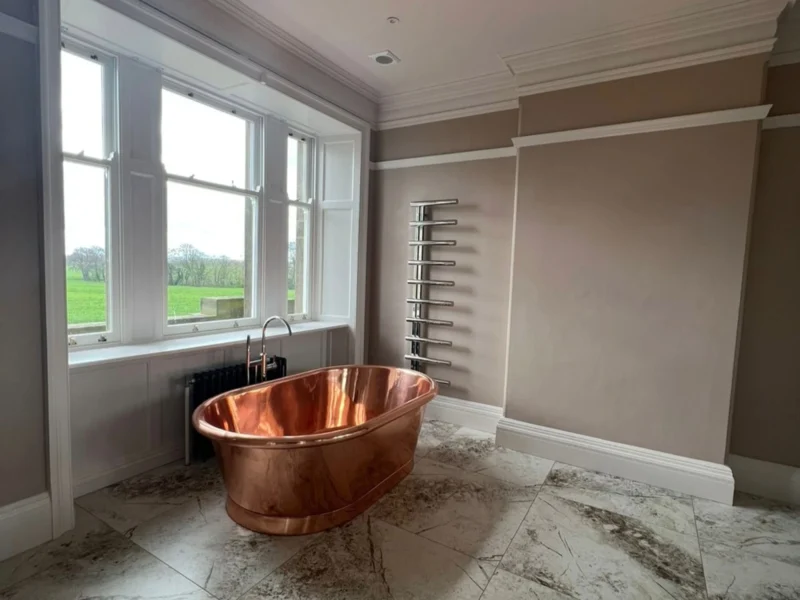
Copper or metal
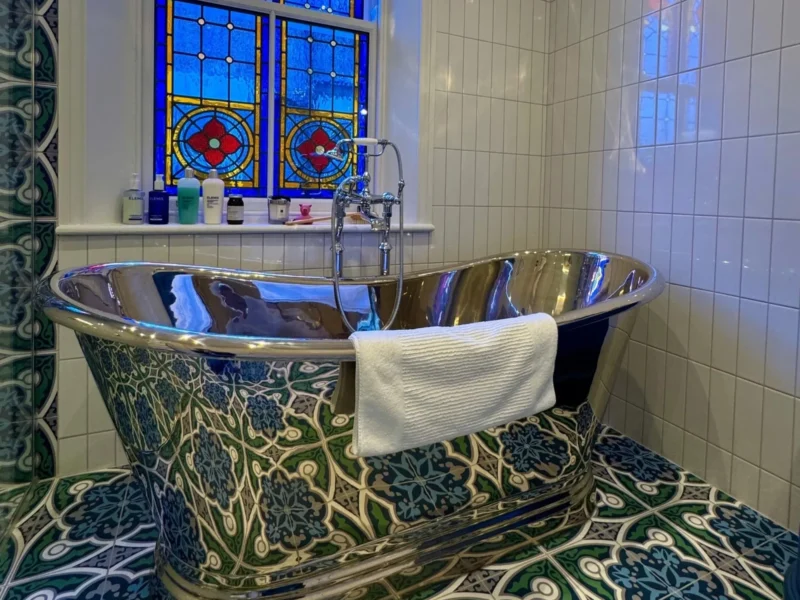
Metal freestanding tubs, especially copper, bring a warm, artisanal feel to a bathroom. Their visually rich surfaces, often hand-finished, add character and individuality to the space. Copper naturally retains heat well and develops a beautiful patina over time, giving the tub even more charm as it ages.
Metal tubs tend to be more expensive and require specific care to maintain their finish, but their unique look and durability make them a favourite for homeowners seeking something distinctive and timeless.
How to plan your space around a freestanding tub
Installing a freestanding bath involves more than choosing a beautiful design. Proper planning ensures the tub functions well within your bathroom and enhances the overall experience. Here’s what you need to consider.
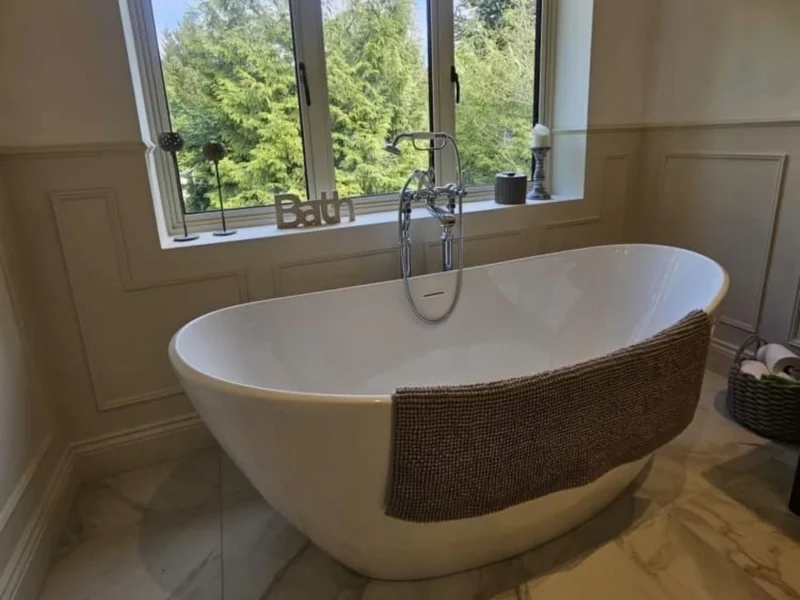
Space requirements
Freestanding tubs look best when they have space around them. This enhances their sculptural presence and ensures they remain practical to clean and maintain. In larger bathrooms, you might want even more space to allow the tub to shine as a centrepiece.
Avoid placing a freestanding tub too close to walls or fixtures where the effect may feel cramped. Instead, give it breathing room, allowing the tub to make an impact.
Plumbing considerations
Plumbing plays a crucial role in determining the placement and practicality of a freestanding bath. Because these tubs are not installed against walls, they often require floor-mounted or freestanding taps. Some people prefer a wall-mounted option if the tub sits close enough to a surface.
Make sure your plumbing layout supports your vision. Positioning the tap correctly ensures the tub fills efficiently and looks aesthetically aligned. You may also want to consider exposed pipework if you’re embracing an industrial or vintage design.
Structural support
If you’re choosing a heavier material like cast iron or stone resin, make sure that your flooring can support the weight of both the tub and the water when filled. This is especially important in older homes or upstairs bathrooms.
Consult with your designer or contractor early in the project so any reinforcement can be completed before the tub is installed. Addressing structural concerns upfront helps avoid costly changes later and ensures your tub remains safe and stable.
Lighting and ambiance
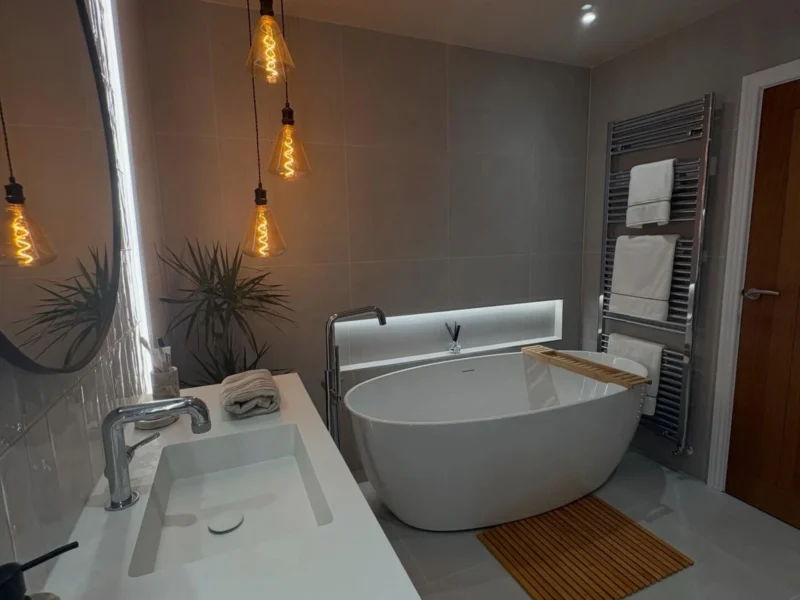
Lighting plays a transformative role in how your freestanding bathtub feels within the space. Soft, ambient lighting creates a calming atmosphere, while directional lighting can highlight the tub as a feature. Consider layering your lighting:
- Natural light from nearby windows enhances the tranquillity of your bathing experience.
- Dimmer switches allow you to adjust the brightness depending on the mood.
- Statement pendants or chandeliers hung above the tub add drama and elegance.
- Wall sconces provide gentle illumination for evening baths.
When planned thoughtfully, lighting turns your freestanding tub into a true retreat.
Styling your space to make it all yours
Freestanding tubs may be the centrepiece of your bathroom, but it’s the surrounding details that create a truly harmonious space. Thoughtful styling ensures your bathroom feels inviting, cohesive, and personalised.
Add a bath tray
A stylish bath tray not only looks beautiful but also enhances functionality. Whether crafted from warm wood, bamboo, or sleek metal, a bath tray serves as a landing spot for candles, soaps, books, and toiletries. It adds a spa-like touch, elevating the experience of using your freestanding tub.
Soft textiles
Textiles are essential for adding warmth and comfort. Luxurious towels, plush bathmats, and soft robes create a sense of indulgence. Choose colours and textures that complement your overall design. For example, crisp white towels enhance a hotel-inspired look, while deeper tones bring richness and softness to minimalist spaces.
Greenery
Plants breathe life into a bathroom, adding freshness and natural beauty. Species like ferns, peace lilies, and snake plants thrive in warm, humid environments, making them ideal companions for freestanding tubs. Greenery helps soften hard surfaces, introduce colour, and create a calming atmosphere reminiscent of nature.
Decorative features
Personal touches help make your bathroom feel like your own. Consider adding:
- Scented candles
- Framed artwork
- Stylish storage baskets
- Sculptural accessories
- Small side tables or stools
These elements create layers of texture and interest, enhancing the beauty of your freestanding bath without overwhelming the space.
How can H2O Bathroom Design Co. help?
Choosing a freestanding tub is the start of a journey. Making it sing in your space is where we come in. With over three decades of experience supplying and designing elegant bathrooms, we combine a curated selection of luxury brands with a details-first, bespoke approach so your tub is chosen to suit both the room and the way you live.
Our stunning North Shields showroom gives you the chance to see and feel materials, finishes, and whole bathroom compositions in real life, which is invaluable when selecting the right freestanding tubs, taps, and complementary fittings to achieve the look and comfort you want.
Whether you want a contemporary stone-resin centrepiece, a classic clawfoot statement, or a copper bath with bespoke brassware, we only source from leading manufacturers and tailor the installation so the result feels seamless and long-lasting. If you’d like to see some examples and find inspiration for yourself, why not have a look around our portfolio?
If you’re ready to explore the impact a beautifully designed bathroom can make, and you want expert guidance in choosing the perfect freestanding bathtub, H2O Bathroom Design Co is here to help.
Book a design consultation to start shaping your vision with one of our specialists, or visit the showroom to experience our collections first-hand and discover just how transformative freestanding tubs can be.