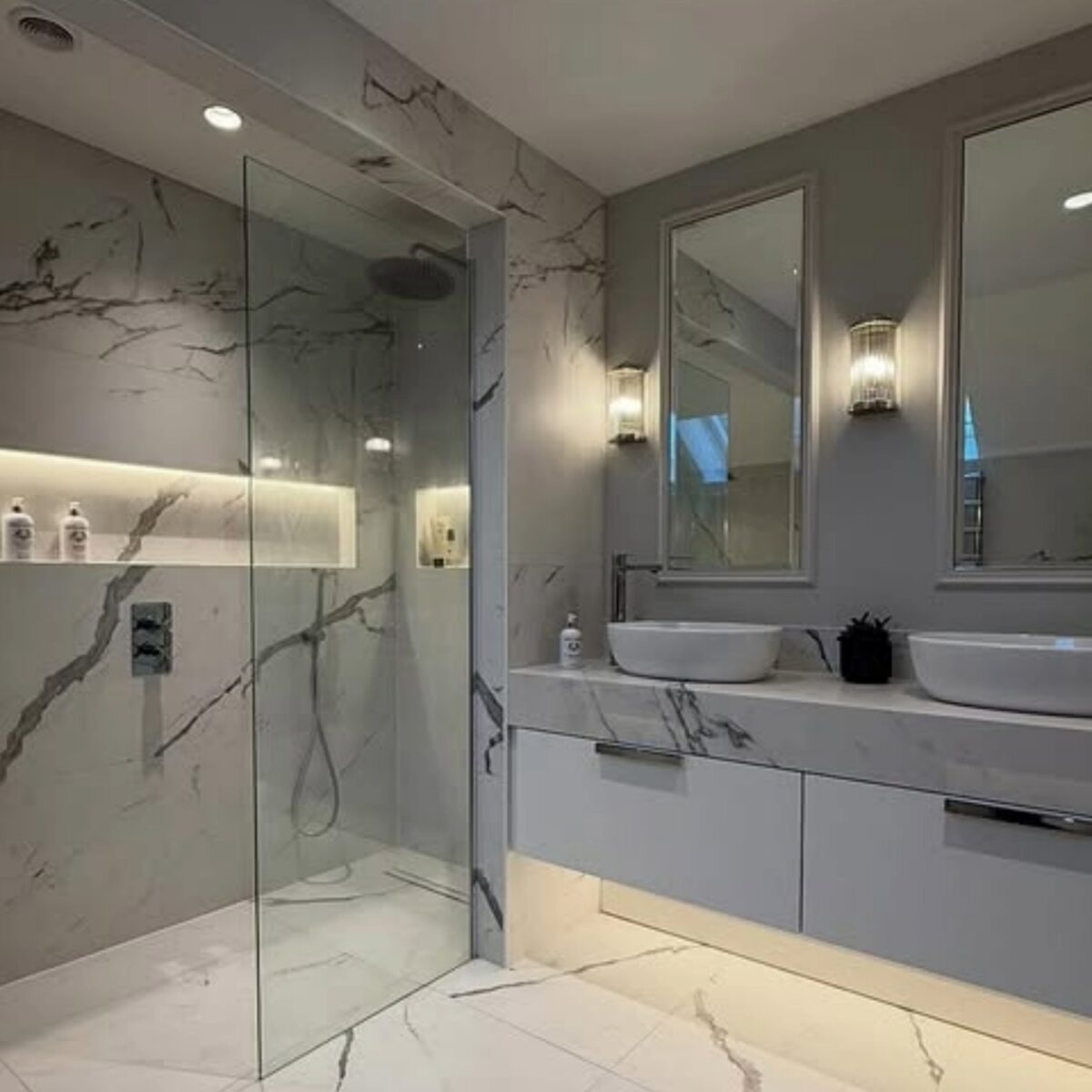
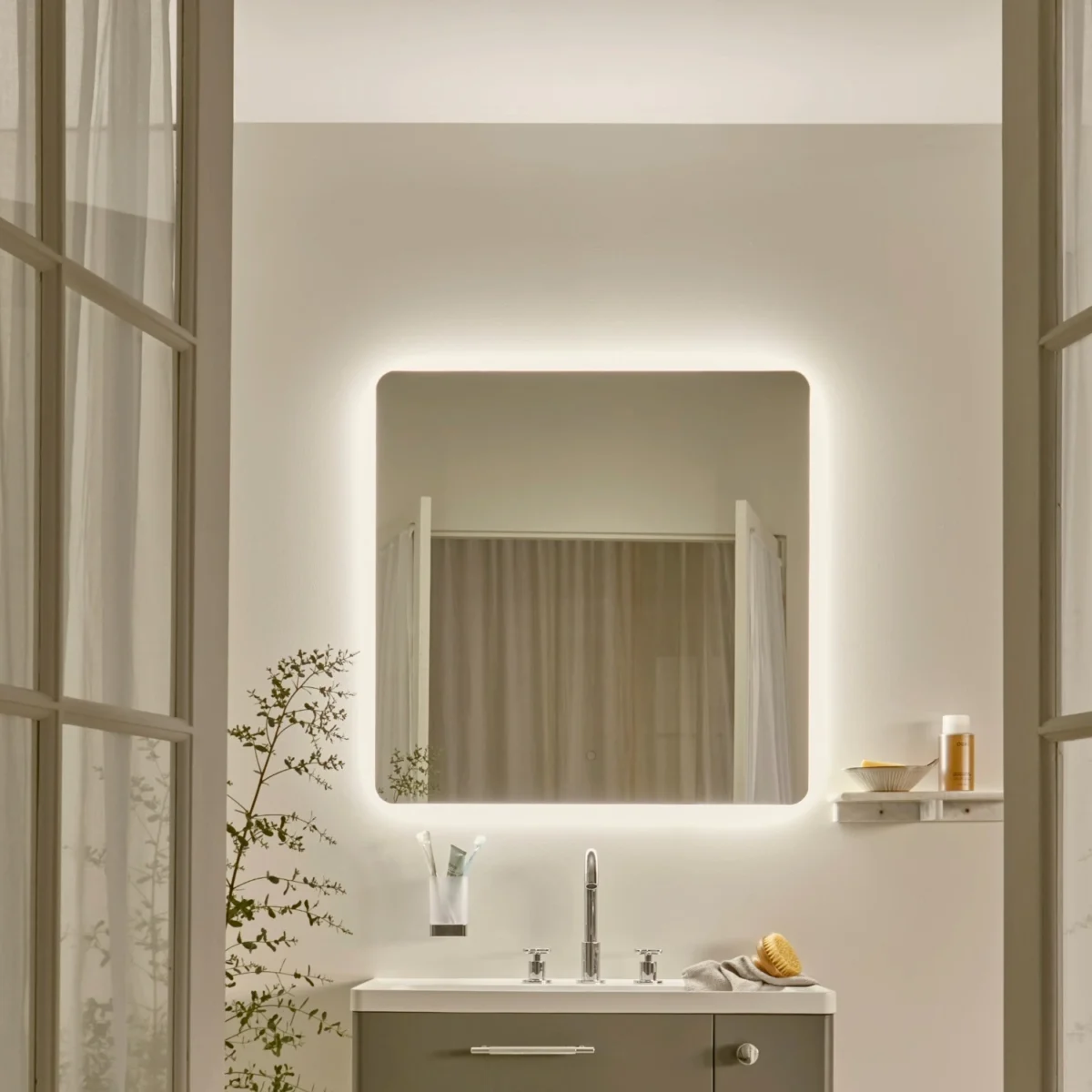
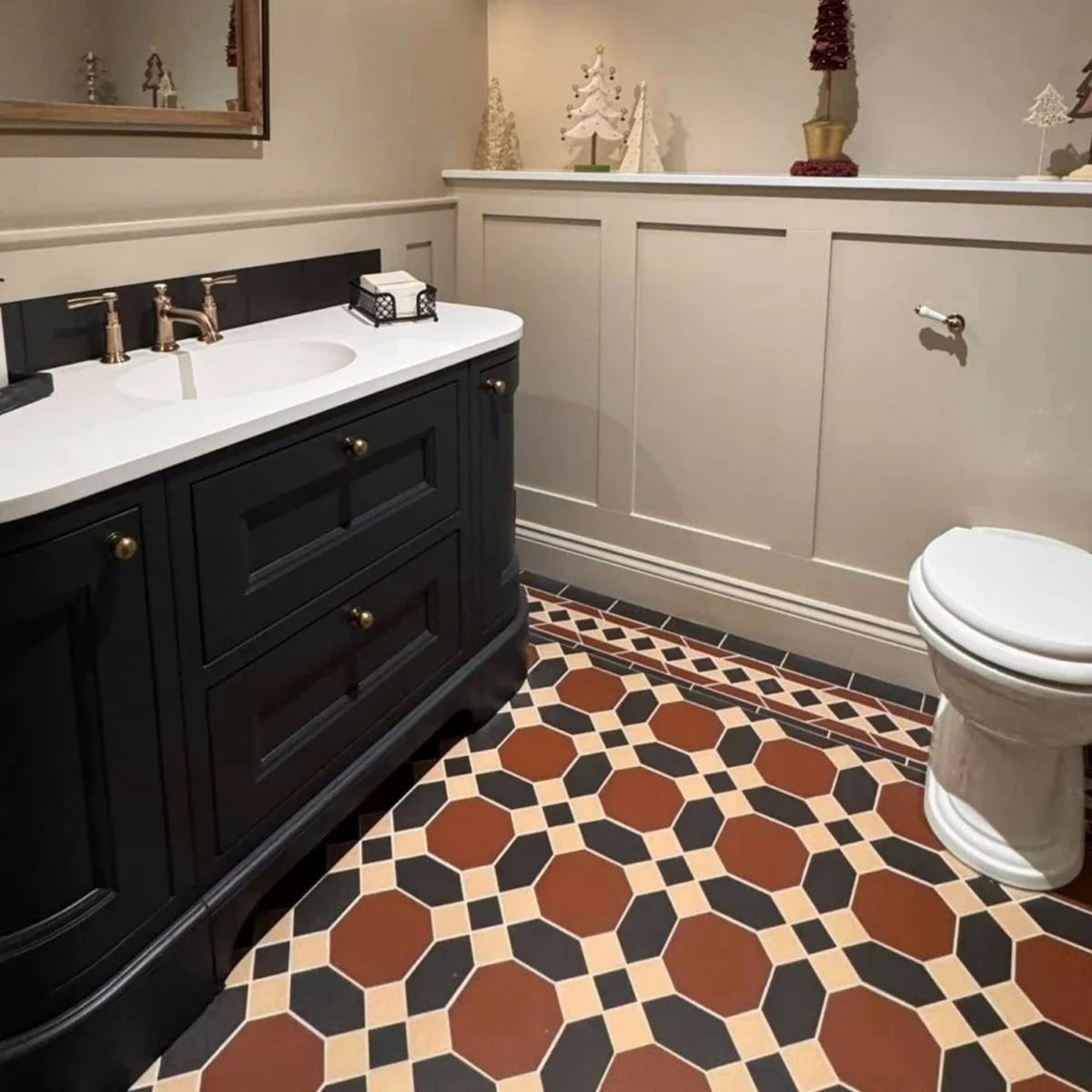
Bathrooms have quietly become one of the most considered spaces in the home. No longer purely practical, they are now expected to deliver comfort, cleanliness, and a sense of calm, all while reflecting your personal style.
One feature increasingly finding its place in well-designed bathrooms is the toilet bidet, a solution that combines hygiene, functionality, and understated luxury.
While bidets have long been commonplace in parts of Europe and Asia, their growing popularity in UK homes reflects a broader shift in how we think about everyday wellbeing. With thoughtful design and improved technology, today’s toilet bidets feel less like a novelty and more like a sensible upgrade.
What exactly is a toilet bidet?
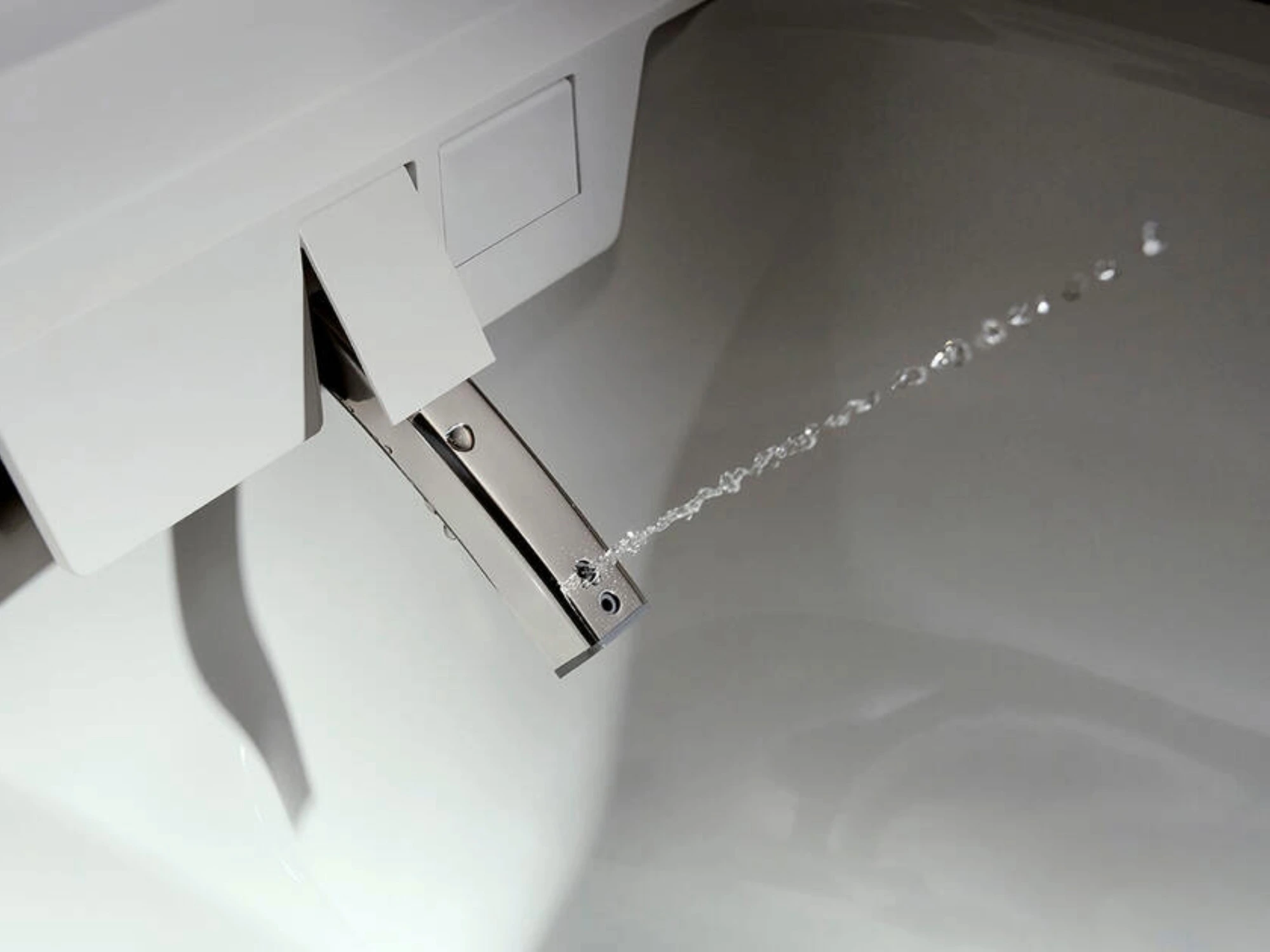
A toilet bidet uses a controlled stream of water to cleanse after using the toilet, replacing or significantly reducing the need for toilet paper. Modern designs range from discreet add-ons that work with existing toilets to fully integrated smart toilets with built-in bidet functionality.
Unlike older standalone bidets, which required additional floor space and plumbing, contemporary toilet bidets are designed to slot seamlessly into the bathroom. This evolution has made them far more accessible and appealing to homeowners planning renovations or upgrades.
Why toilet bidets are about more than convenience
At first glance, a toilet bidet may seem like a simple upgrade, but its appeal runs deeper than convenience alone. From improved hygiene and long-term comfort to sustainability and thoughtful design, bidets reflect a broader shift towards bathrooms that support everyday wellbeing.
When viewed together, the following benefits help explain why they are becoming an increasingly natural choice in modern homes.
A cleaner approach to everyday hygiene
One of the main reasons people choose toilet bidets is the improved standard of cleanliness they offer. Water provides a more thorough and significantly gentler clean than dry toilet paper alone, helping to reduce irritation while supporting better personal hygiene. This can be particularly beneficial for those with sensitive skin, mobility challenges, or anyone seeking a more comfortable daily routine.
There is also a reassuring sense of consistency in use. Adjustable water pressure and temperature allow each user to tailor the experience to their preference, creating a cleansing routine that feels both effective and refined rather than abrasive or rushed.
Sustainability without compromise
Environmental considerations are increasingly shaping bathroom design decisions. Toilet bidets can significantly reduce toilet paper consumption, which in turn lowers demand on water, energy, and raw materials used in paper production.
Although a bidet uses water, the amount required for each use is modest when compared with the resources involved in manufacturing, packaging, and transporting toilet paper. For households looking to make more sustainable choices without sacrificing comfort, toilet bidets offer a practical solution.
Health and comfort benefits
For many people, the appeal of toilet bidets goes beyond pure luxury. They can offer meaningful benefits for those recovering from surgery, managing certain health conditions, or seeking a gentler alternative to traditional wiping. The use of water rather than friction can help minimise discomfort and reduce strain on sensitive skin.
Over time, this gentler approach can support better skin health and overall comfort. As a result, toilet bidets are often seen as a thoughtful addition to family bathrooms, en-suites and accessible spaces where ease of use matters.
Features that elevate everyday use
Modern toilet bidets often include features designed to improve comfort and ease of use rather than simply adding unnecessary complexity. Heated seats, adjustable spray settings, and warm air drying are common in higher-end models, creating an experience that feels considered rather than excessive.
Of course, hygiene remains central to their design. Many systems include self-cleaning nozzles and protective mechanisms that make sure the water supply remains safe and uncontaminated. Controls are typically intuitive, whether operated via a discreet side panel or a remote control, making them easy for all members of the household to use.
Choosing the right type for your bathroom
Bidet toilets come in three main forms: integrated smart toilets (all-in-one units), bidet seats (replacing your existing seat), and standalone ceramic bidets. They offer features ranging from simple cold-water sprays to luxury, warm-water cleansing, heated seats, and air dryers. Let’s look at each type in a bit more detail:
Integrated smart toilets (Japanese style)
These are complete units where the bidet functionality is built directly into the toilet. They offer premium features like automatic flushing, heated seats, warm water, air drying, and self-cleaning nozzles.
Bidet toilet seats
This is an easy-to-install option that replaces your existing toilet seat. It can be broken down even further into two types depending on your needs and home setup:
- Electric seats require electrical outlets but, in turn, offer premium features like heated seats, warm water, and deodorisers.
- Non-electric seats are mechanical and powered by water pressure. These are easier to install and more budget-friendly, but lack the features offered by electric seats.
Standalone/traditional bidets
This is a separate, low-sitting ceramic fixture installed next to the toilet, requiring additional space and plumbing. If space is not an obstacle and you’re looking for a solution that can be used independent of your toilet, this is an excellent option.
Handheld bidet sprayers
A ‘shattaf’ or sprayer hose installed next to the toilet, offering a budget-friendly and versatile solution for rinsing. This is ideal for bathrooms with limited space.
Whichever type you choose, understanding these options helps ensure that your bidet integrates well with both your lifestyle and your design vision, making your bathroom both more comfortable and more functional.
Installation & planning considerations
While toilet bidets are easier to incorporate than ever before, careful planning is still essential. Space, water supply and, for electric models, access to a suitable power source all need to be assessed.
In the UK, water regulations require appropriate backflow protection to prevent contamination of the mains supply. This makes professional installation particularly important, as it guarantees performance and compliance. When incorporated at the design stage of a bathroom project, these requirements can be addressed seamlessly.
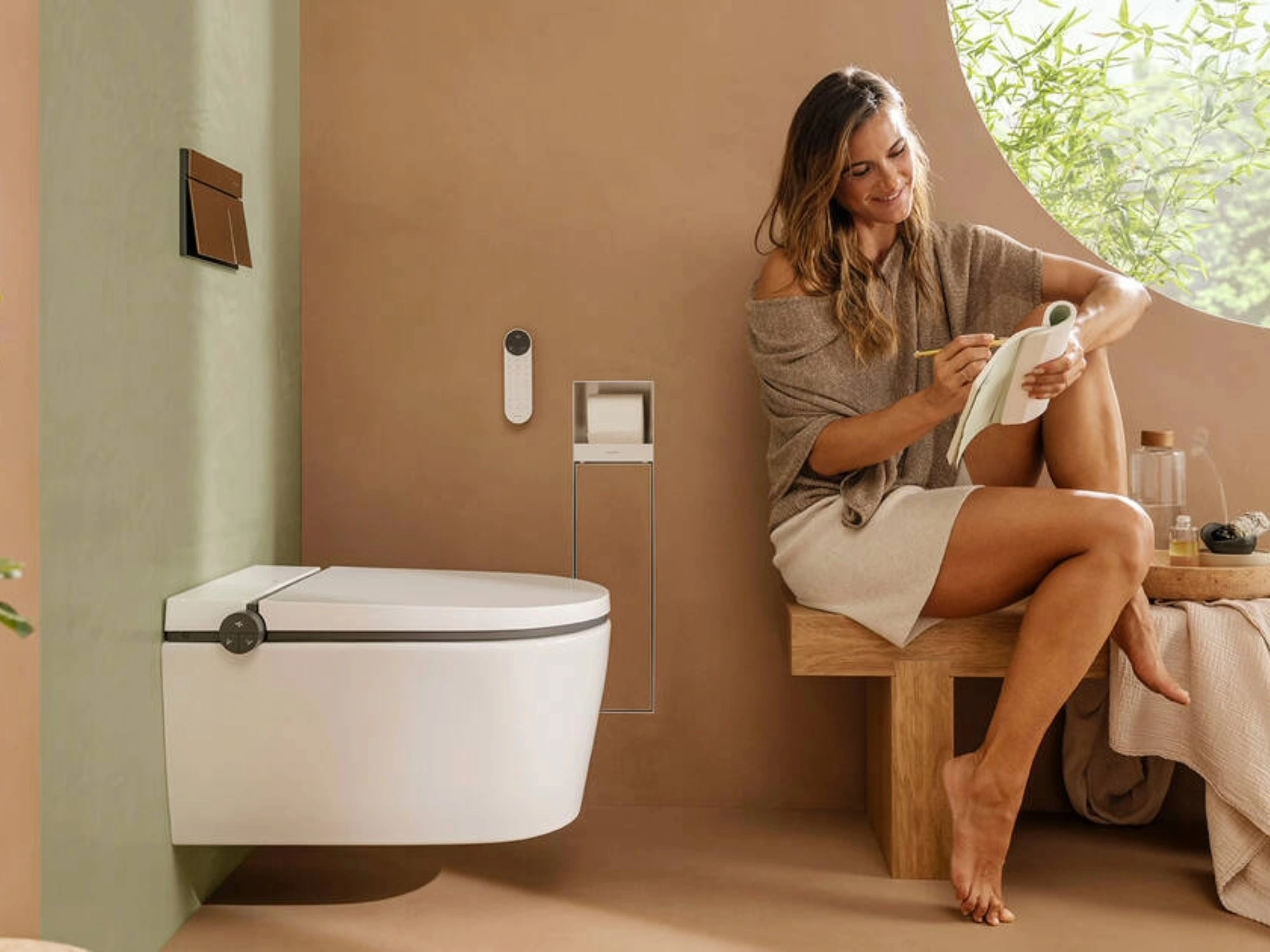
Dispelling common bidet myths
Despite becoming more visible in UK bathrooms, toilet bidets are still sometimes misunderstood. Much of the hesitation around them comes from outdated assumptions rather than real-world experience. Let’s clear up a few of the most common myths.
They’re complicated to use
Modern toilet bidets are designed with simplicity in mind. Most operate via clearly labelled controls, and many include intuitive presets that make everyday use effortless. Once familiar, they often feel no more complex than adjusting a shower temperature.
They waste water
This is one of the most persistent misconceptions. In reality, toilet bidets use a relatively small amount of water per use, often far less than the water consumed during the production of toilet paper. For many households, installing a bidet actually reduces overall water and resource usage.
They’re unhygienic
Quite the opposite, in fact. Toilet bidets are engineered with hygiene as a priority. Many include self-cleaning nozzles, protective housings, and backflow prevention systems that make sure the water supply remains clean and safe at all times.
They don’t suit modern bathroom design
Older bidet styles may have felt bulky or outdated, but contemporary toilet bidets are intentionally sleek and minimal. Integrated models, in particular, blend seamlessly with modern sanitaryware and often enhance the overall look rather than detract from it.
How H2O Bathroom Design Co can help
Toilet bidets represent a thoughtful shift in how bathrooms are designed and used, bringing together hygiene, comfort, sustainability, and refined design in a way that feels genuinely practical. Whether you are drawn to their environmental benefits, their health advantages, or simply the everyday comfort they offer, they have become a natural consideration in modern bathroom planning.
At H2O Bathroom Design Co, we take a design-led, considered approach to bespoke bathroom design. From initial consultation through to detailed design and product specification, our team works closely with you to create a space that reflects both your lifestyle and your aesthetic preferences.
We help demystify options, guide you through high-quality products from the finest brands, and ensure every element works seamlessly within the wider scheme.
If you are considering incorporating a toilet bidet into your bathroom, or planning a complete redesign, our North Shields showroom offers the opportunity to explore ideas, finishes and solutions in person. Speaking with our experienced team allows you to see how thoughtful design choices can transform everyday routines.
To begin your bathroom journey, we invite you to book a consultation or visit us in our showroom to discuss your project and discover how our team can help bring your vision to life.